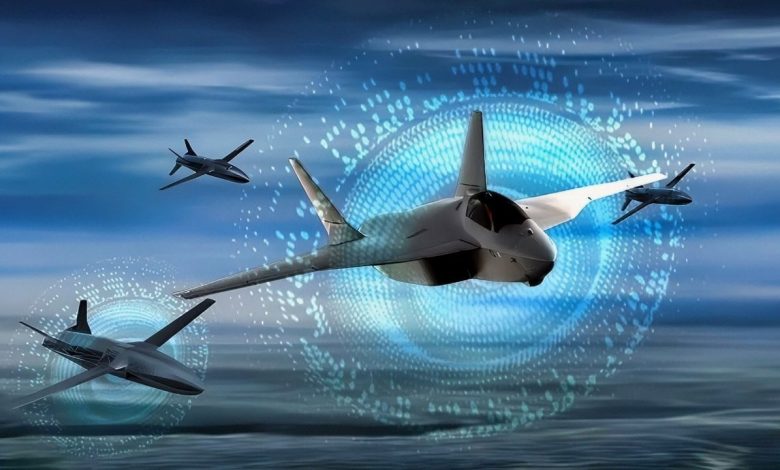
Key Points and Summary – Europe’s Future Combat Air System faces a make-or-break decision as Germany, France, and Spain near an end-of-2025 deadline to fix governance and cost disputes.
-FCAS was designed as a “system of systems” built around a New Generation Fighter linked to drones and a digital combat cloud, replacing Rafale and Eurofighter fleets around 2040.
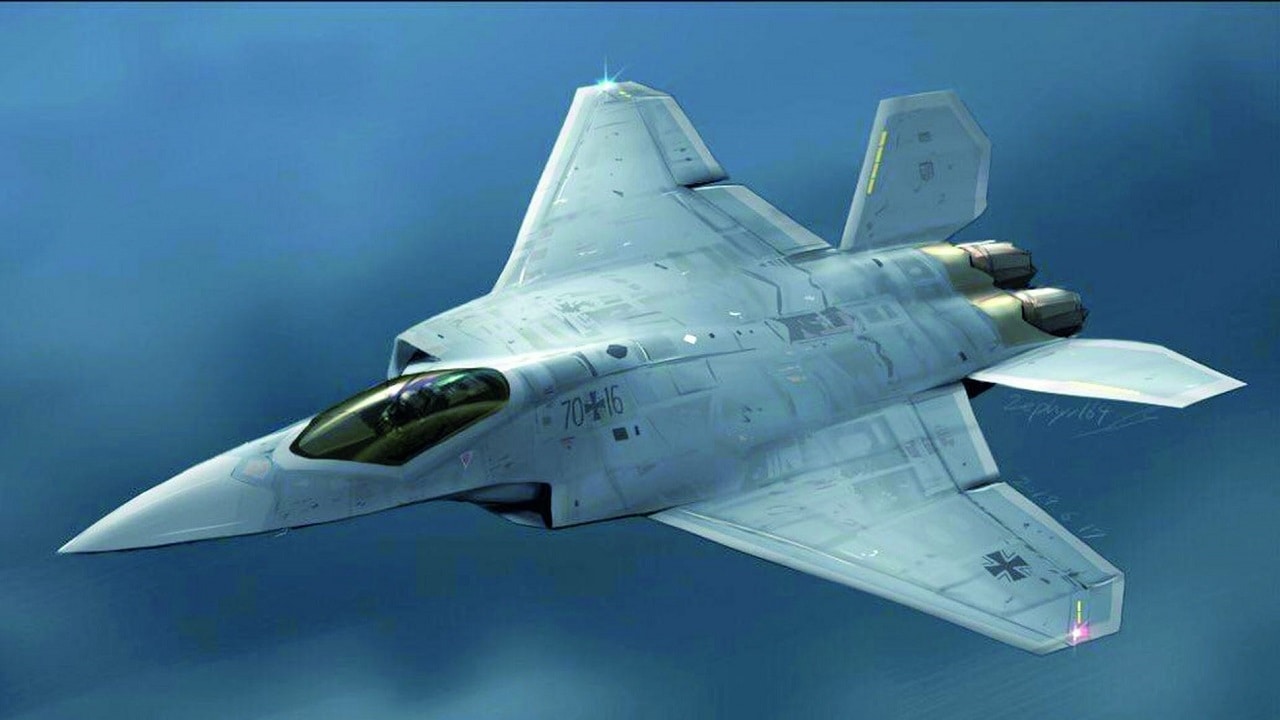
FCAS. Image Credit: Creative Commons.
-But industrial rivalry—especially over Dassault’s design authority versus Airbus/Indra demands—has stalled progress and inflated lifetime costs.
-If FCAS fractures, Germany or Spain could pivot toward the UK-Italy-Japan GCAP, while France could pursue a sovereign Dassault-led successor to Rafale. Either way, Europe’s next airpower roadmap may splinter fast.
FCAS Could Die In Days: What Comes Next?
With just days to go before Germany, France, and Spain are due to determine whether the Future Combat Air System (FCAS) program will proceed as planned, years of industrial and political infighting could imminently change the fate of future European airpower.
The decision will determine whether the program moves ahead or is transformed into something entirely different, like a “Combat Cloud” that connects various platforms through a shared digital infrastructure. But there’s also another option: the program is scrapped entirely.
The looming deadline comes after months of increasingly public friction between the three partner nations and their prime contractors, raising the prospect that Europe’s most ambitious combat aviation program could fracture into separate national or alternative multinational projects. What was once envisioned as a unifying program for European airpower in the 2040s now risks becoming an expensive, failed effort.
What FCAS Was Meant to Be – and Why It’s Struggling
The Future Combat Air System, launched in 2017 and formalized in the years that followed, was designed as more than a single replacement fighter. Much like the United States’ next-generation NGAD program, FCAS was conceived as a system of systems, or a family of systems, built around a New Generation Fighter (NGF), networked with unmanned drones and linked through a secure digital combat cloud.
The result would have been a family of next-generation aircraft and drones that connect with other aircraft and ground crews, share information, and conduct multi-domain operations in high-threat environments.
The system is intended to replace France’s Rafale and Germany and Spain’s Eurofighter Typhoon fleets beginning around 2040.
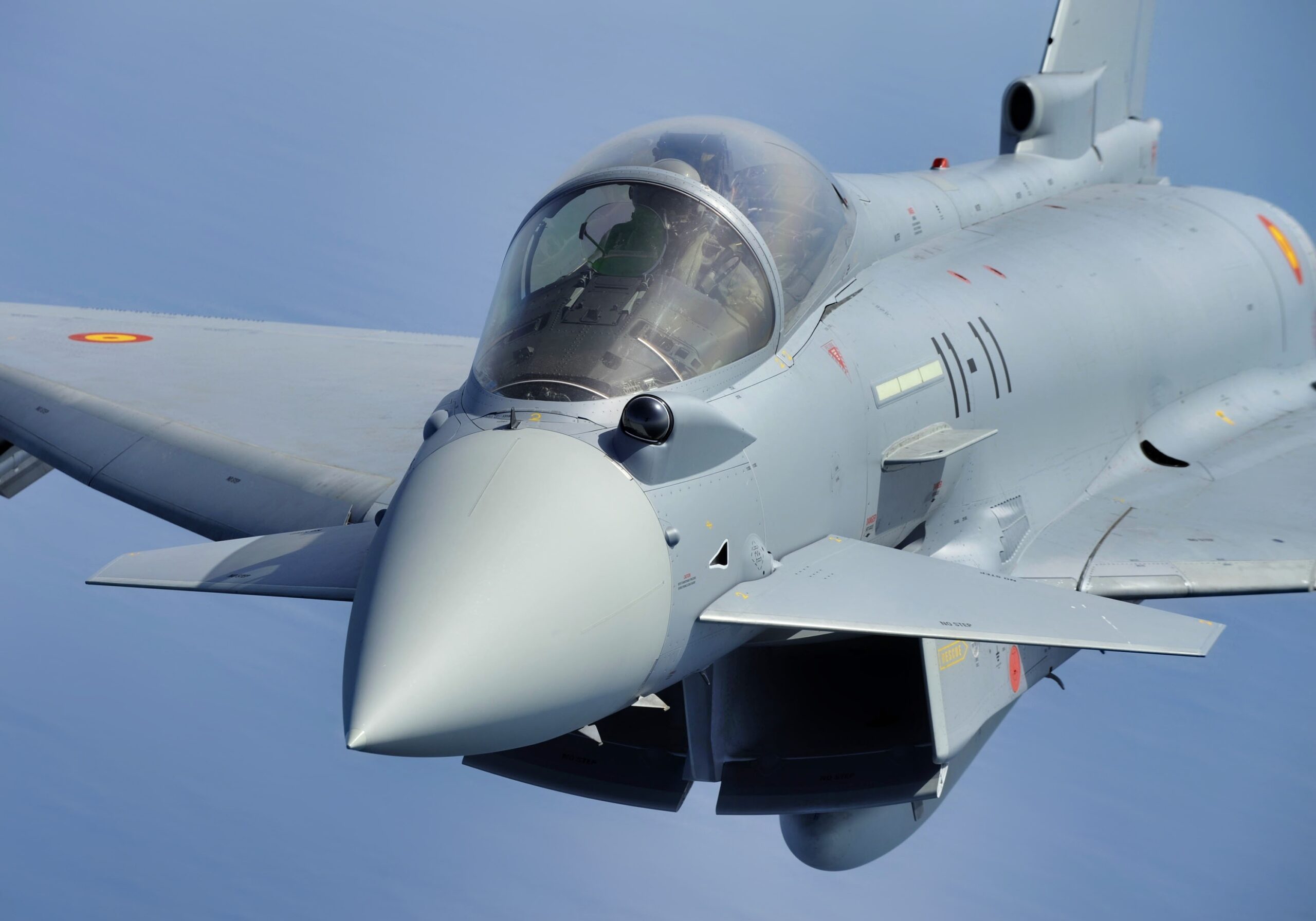
Eurofighter Typhoon Fighter. Image Credit: Creative Commons.
From the outset, the industrial structure reflected Europe’s attempt to balance sovereignty with cooperation with close neighbors. Rather than relying entirely on the United States or even on other, more distant European countries, the program intended to contract with companies that already handle major industrial projects within each partner country.
Dassault Aviation was designated lead for the NGF itself, while Airbus was tasked with major roles on the combat cloud and unmanned components, and Spain’s Indra also joined as a key partner. That balance, however, has repeatedly broken down as each company disagreed on the structure of the deal.
At the heart of the dispute was and is control. Dassault has argued that giving three companies equal authority over the fighter’s design would introduce unacceptable technical risk, while Airbus and German officials have repeatedly pushed back against what they see as French dominance over Europe’s future fighter capability. Germany, in particular, has grown increasingly skeptical about both the program’s governance and its ballooning costs – now estimated at more than 100 billion euros over its lifetime.
Those tensions have repeatedly stalled progress. Ministerial meetings throughout 2024 and 2025 failed to resolve core disagreements, and a recent round of talks ended without a breakthrough, prompting sources close to the negotiations to describe the project’s prospects as “very unlikely” in its current form.
The immediate issue is now political. Partner governments had set the end of 2025 as a hard deadline to either lock in a revised cooperation framework or accept that FCAS cannot proceed as planned. Missing that window would effectively force national defense planners to pursue alternative solutions to avoid a looming capability gap in the next decade and the one that follows.
The Alternative Paths Europe Is Already Considering
As confidence in FCAS has eroded, attention has increasingly shifted to what comes next if the program unravels. One option gaining traction is deeper engagement with the UK-, Italy-, and Japan-led Global Combat Air Program (GCAP), which is developing its own sixth-generation fighter on a faster timeline, with service entry set for the mid-2030s.
While none of the FCAS nations are formal GCAP partners, Germany or Spain could join as customers or secondary partners, trading industrial leadership for schedule clarity (something FCAS evidently cannot offer) and access to advanced capabilities.
A move like that would be a major strategic shift, but it would give the two countries options and a potentially more secure path towards sixth-generation technology.
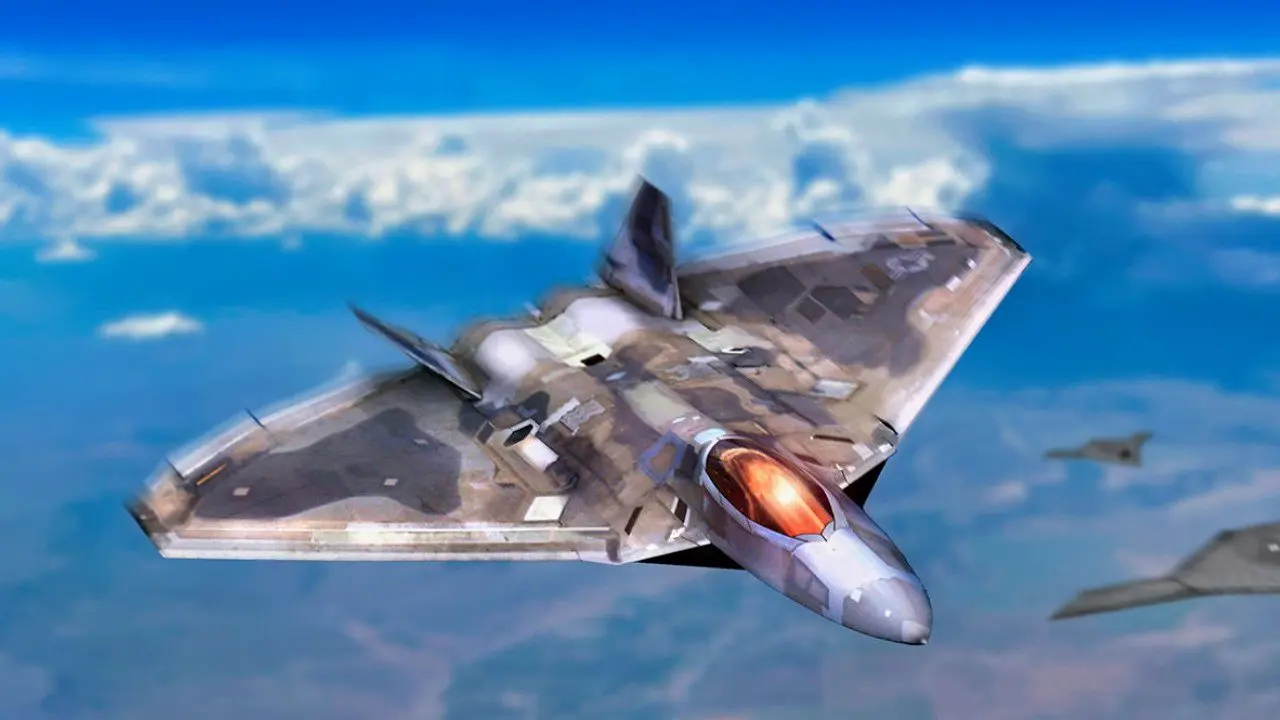
NGAD Fighter. Artist Rendering.
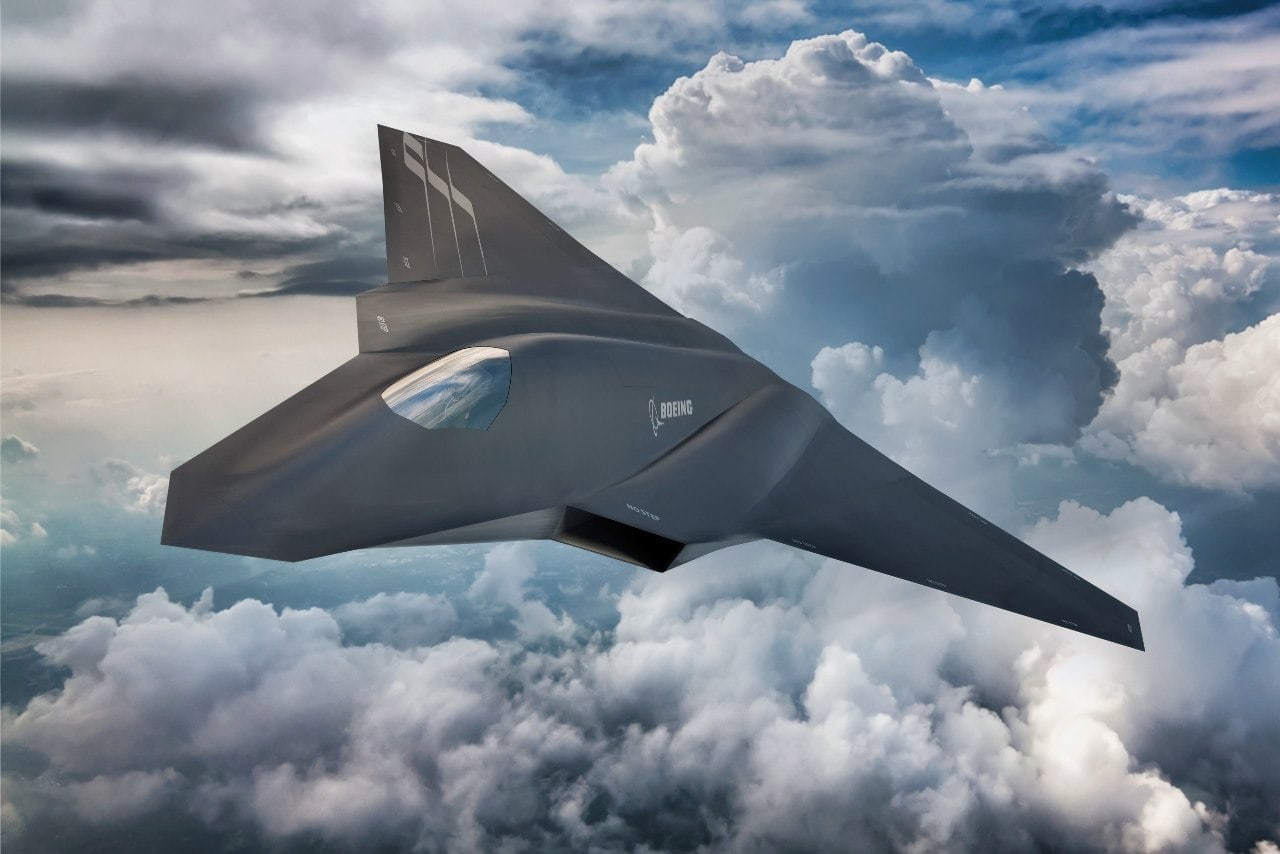
NGAD Fighter from Boeing.
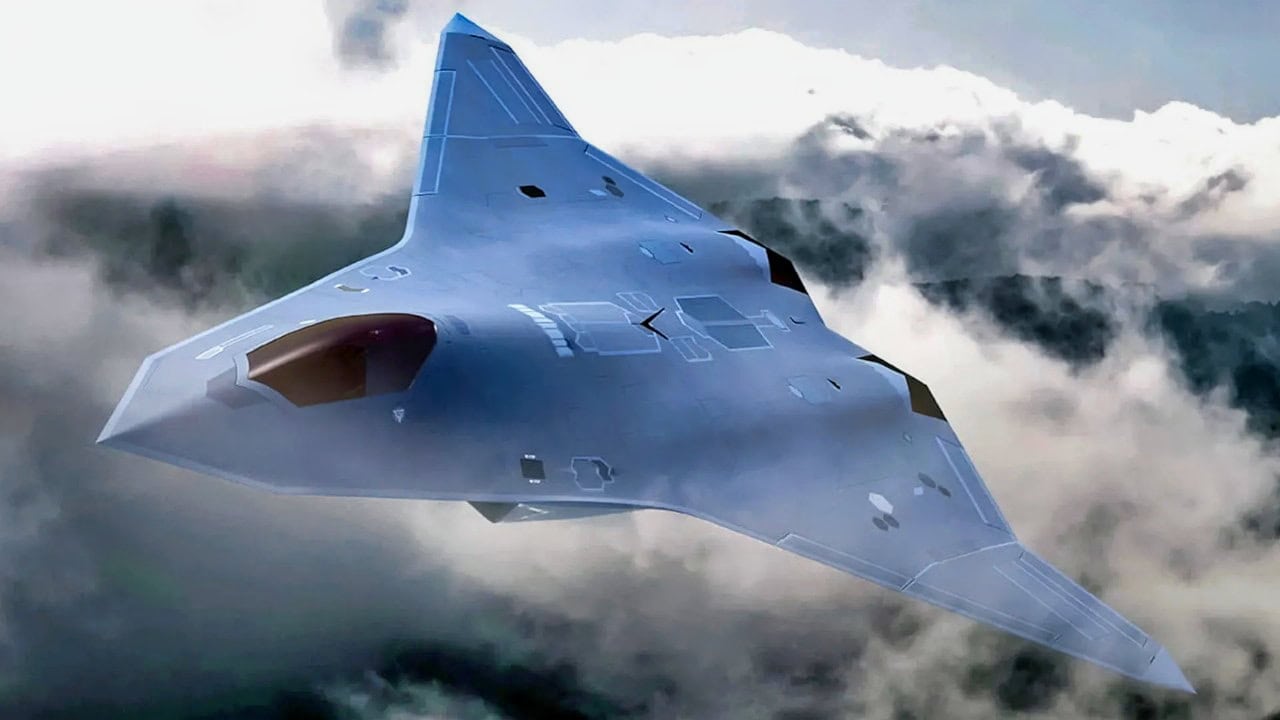
NGAD Fighter. Image Credit: Creative Commons.
France, however, retains the option of going it alone. Dassault Aviation has repeatedly indicated that it possesses the technical expertise to develop a sovereign next-generation fighter if necessary, following a national design lineage that includes the Rafale and the Mirage series.
For France, this may be the obvious path: they already have their own aircraft platforms, they have the industrial capacity to build something new, and their main contractor is ready and willing to go it alone. And while French officials have not formally announced any such plan, Paris has made it clear that it will not accept a long capability gap.
Whatever decision arrives in the coming days, it will not merely shape the future of a single aircraft program, but determine whether Europe can still credibly pursue a unified next-generation platform – or whether that ambition has finally run its course.
About the Author:
Jack Buckby is a British author, counter-extremism researcher, and journalist based in New York who writes frequently for National Security Journal. Reporting on the U.K., Europe, and the U.S., he works to analyze and understand left-wing and right-wing radicalization, and reports on Western governments’ approaches to the pressing issues of today. His books and research papers explore these themes and propose pragmatic solutions to our increasingly polarized society. His latest book is The Truth Teller: RFK Jr. and the Case for a Post-Partisan Presidency.