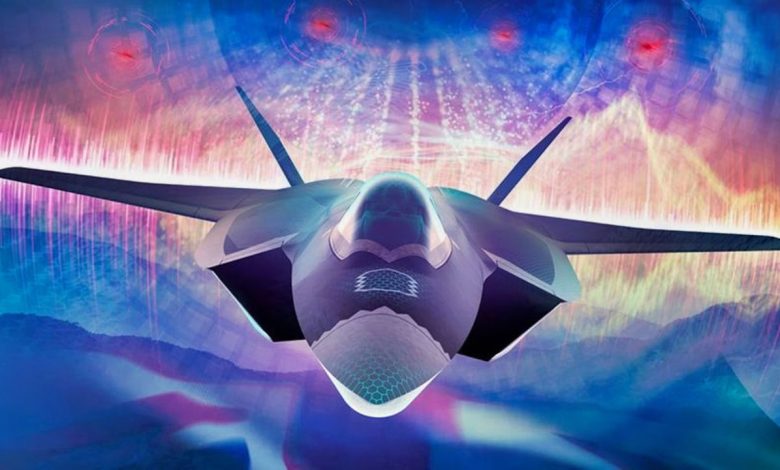
Synopsis: Japan has doubled down on its next-generation GCAP fighter, confirming a 2035 in-service target after a fresh review of budgets, design work and engine progress.
-Working with the UK and Italy, Tokyo is banking on a common stealth jet plus teaming drones to anchor its future airpower and replace aging fighters.
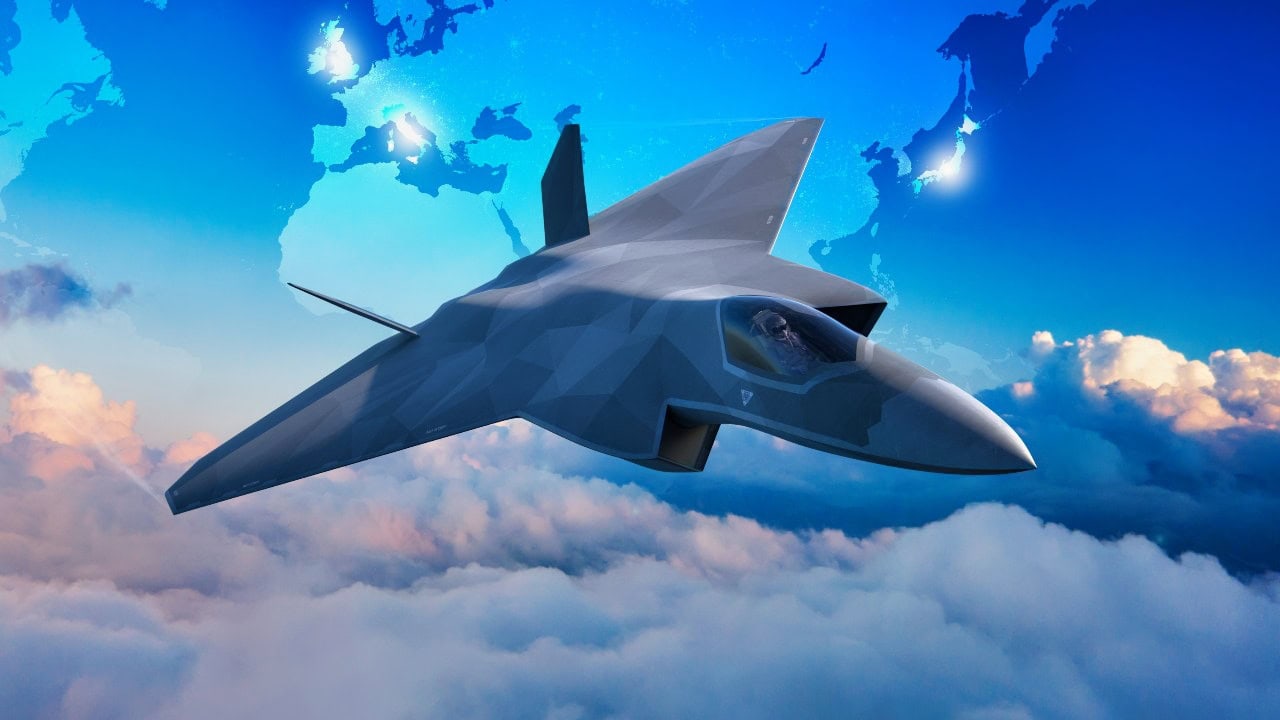
GCAP. Image Credit: Industry Handout.
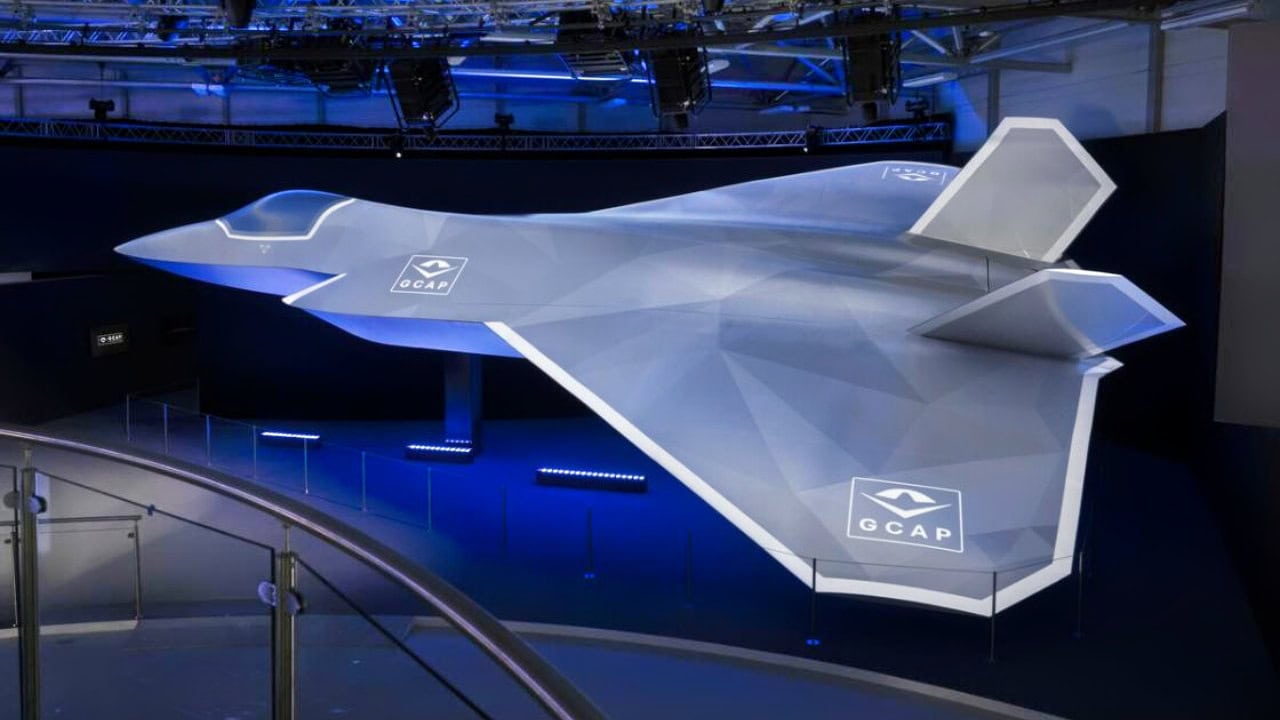
GCAP 6th Generation Fighter
-The trilateral program, led by Mitsubishi Heavy Industries, BAE Systems and Leonardo, is moving faster and more smoothly than Europe’s troubled FCAS effort.
-With propulsion, power generation and mission systems maturing in parallel, Japan is signaling that GCAP is central to its long-term deterrence plans.
Japan Confirms Timeline for GCAP Fighter
Japan has reaffirmed plans to build and deploy a next-generation fighter aircraft by 2035 following a review of budget planning and development progress conducted under its trilateral program with the United Kingdom and Italy.
In a statement released on December 26, the Japan Ministry of Defense said Vice Minister of Defense Masahisa Miyazaki had chaired the 11th meeting of the Next-Generation Fighter System Development Promotion Committee.
The meeting considered proposed fiscal year 2026 budget allocations and assessed the current status of development for both the manned fighter and the associated unmanned systems it will operate alongside.
The aircraft is being developed as part of the Global Combat Air Programme (GCAP) – a joint effort led by Japan, the United Kingdom, and Italy.
Japanese officials confirmed this week that the three partners agree on a target of initial operational deployment in fiscal year 2035.
The program intends to pool industrial and technological expertise from all three countries while ensuring interoperability among allied air forces.
So far, the program is proving capable of balancing the needs of all three partner nations in a way that other European programs, most notably the Future Combat Air System (FCAS) program led by France, Germany, and Spain, have not.
Unlike FCAS, which has been plagued by disagreements among partner nations and key contractors, the GCAP effort is moving ahead fairly smoothly – and according to the recent statement, significant movement has been made in terms of propulsion.
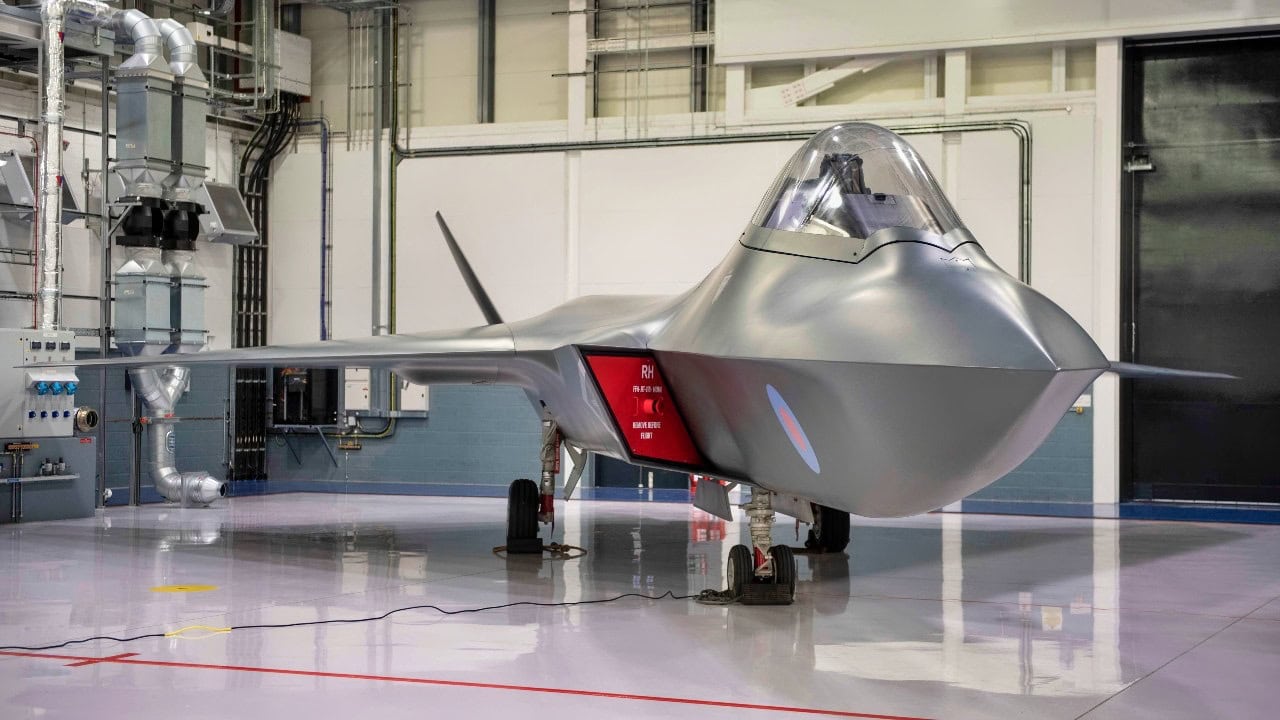
Image of the UK’s concept model for the next generation jet fighter “Tempest”, which was unveiled by Defence Secretary, at Farnborough International Air Show back in 2018.
While the aircraft’s final configuration is still being refined, the ministry claimed that the under-development engine is expected to incorporate high-temperature materials, advanced thermal-management solutions, and extensive additive manufacturing techniques.
Those features are intended to deliver improved performance for the next-generation jet while also lowering long-term maintenance requirements.
The industrial effort is led by Mitsubishi Heavy Industries of Japan alongside the UK’s BAE Systems and Italy’s Leonardo.
What Happens Next?
Japanese officials say that propulsion and onboard power generation will be critical not only for flight characteristics but also for enabling advanced sensors, electronic warfare capabilities, and future weapons systems.
The engine is also expected to support sustained operations in environments where aircraft face continuous detection and engagement threats.
The committee also reportedly reviewed progress on unmanned aircraft designed to operate alongside the fighter.
Tokyo has positioned the next-generation fighter as a cornerstone of its future airpower and a replacement for aging aircraft in the Japan Air Self-Defense Force.
About the Author:
Jack Buckby is a British author, counter-extremism researcher, and journalist based in New York. Reporting on the U.K., Europe, and the U.S., he works to analyze and understand left-wing and right-wing radicalization, and reports on Western governments’ approaches to the pressing issues of today. His books and research papers explore these themes and propose pragmatic solutions to our increasingly polarized society. His latest book is The Truth Teller: RFK Jr. and the Case for a Post-Partisan Presidency.