Key Points and Summary – Boeing’s F-47 sits at the center of the U.S. NGAD effort, built to replace the F-22 and preserve air dominance as China and Russia invest in stealth aircraft and anti-stealth systems.
-The concept hinges on three pillars: next-level stealth shaping and more durable, maintainable coatings; a much longer combat radius to operate in the Indo-Pacific and against dense air defenses; and a jump in weapons and avionics, including advanced BVR missiles, improved sensor fusion, and AI-enabled workload reduction.
-The aircraft is also expected to team with uncrewed systems, extending reach and mass without adding pilots.
Boeing’s F-47 Prototype Is Underway—and the Stakes With China Keep Rising
The F-47 is the centerpiece of the United States’ Next Generation Air Dominance (NGAD) program. It was designed to replace the F-22 and ensure the U.S.’s place as master of the skies. According to Boeing, work is already underway on the prototype, and the aircraft is expected to take its first flight sometime in 2028.
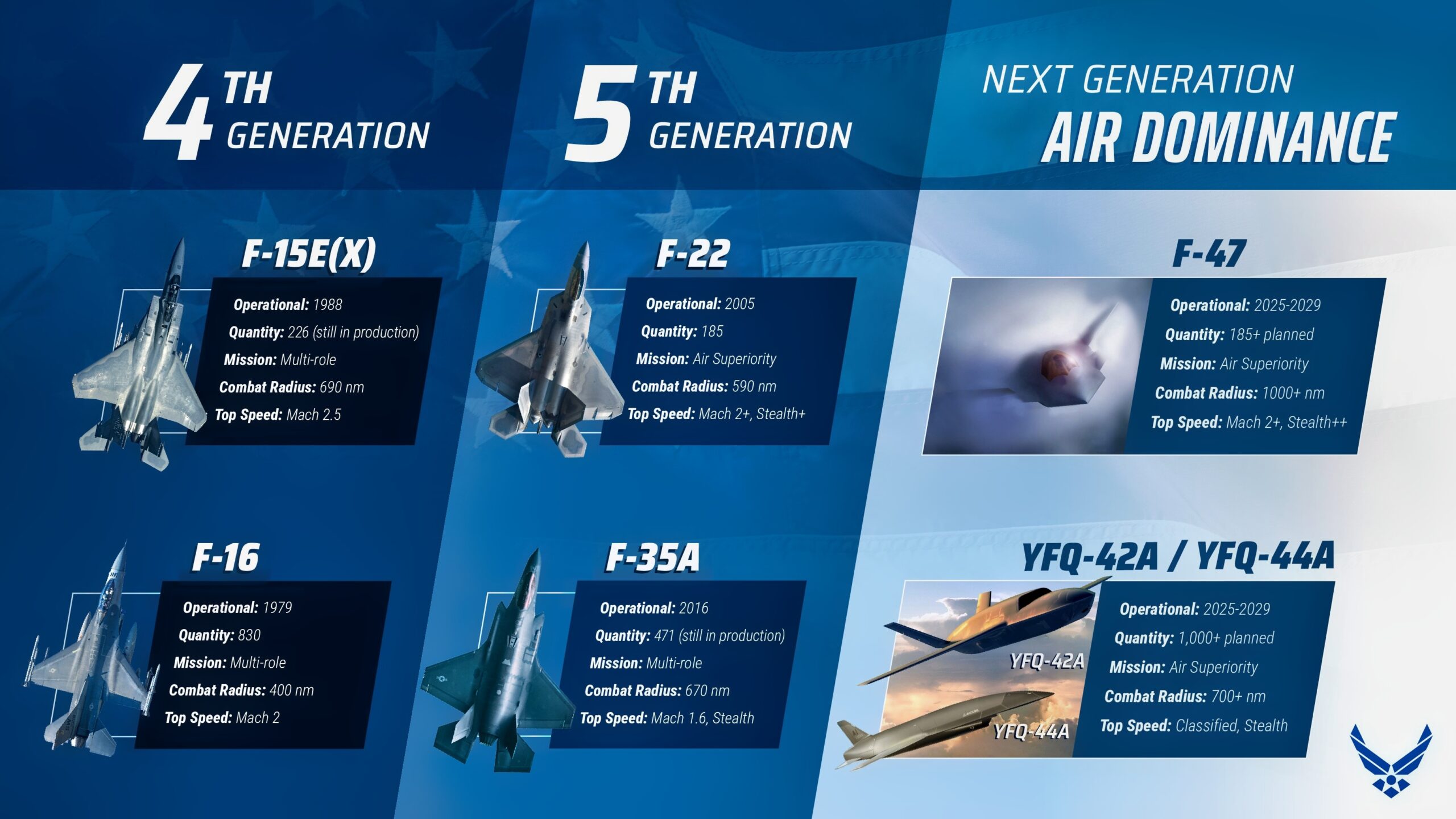
F-47 Infographic. Image Credit: U.S. Air Force
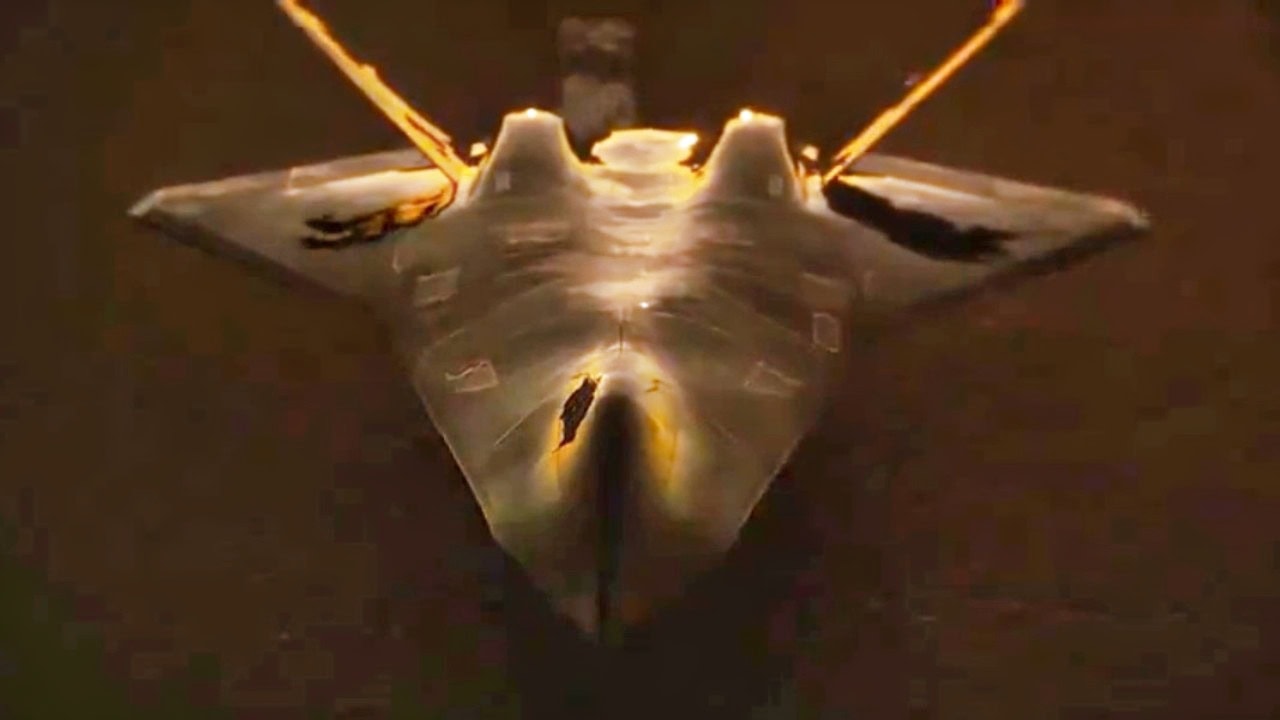
F-47 Fighter from Boeing. Image Credit: U.S. Air Force Screenshot.
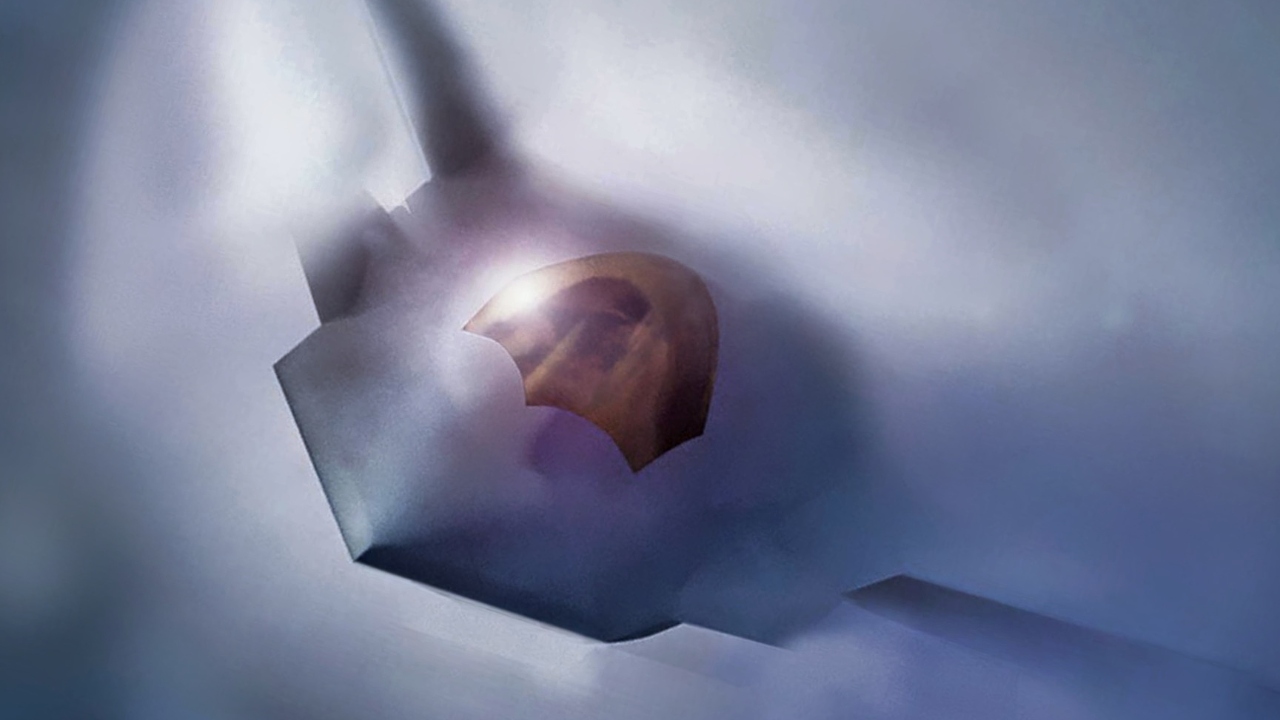
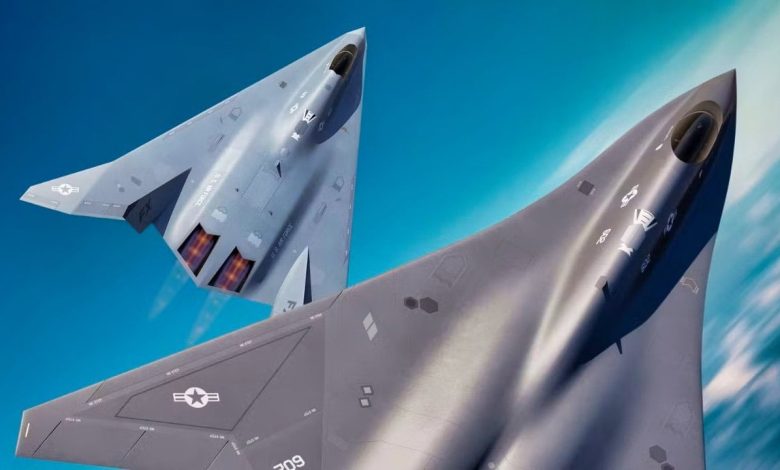
Shown is a graphical artist rendering of the Next Generation Air Dominance (NGAD) Platform. The rendering highlights the Air Force’s sixth generation fighter, the F-47. The NGAD Platform will bring lethal, next-generation technologies to ensure air superiority for the Joint Force in any conflict. (U.S. Air Force graphic)
As the successor to the F-22, the F-47 has some big shoes to fill and high expectations to meet.
Considering the current geopolitical climate the U.S. finds itself in, with China and Russia both investing heavily in their own stealth aircraft and anti-stealth systems, the F-47 will have to be a truly revolutionary aircraft.
Here are some of the features we think will be included in the F-47 NGAD as we get more details in the years ahead.
Better Stealth Systems
For the F-47 to remain competitive, it will need the latest and greatest stealth systems the U.S. can build. Both China and Russia have been investing in systems that can both detect and intercept stealth aircraft.
Russia’s S-400 is advertised as capable, and China allegedly possesses some of the most sophisticated anti-stealth radars on the market.
While it remains unclear how well these systems stack up against stealth fighters like the F-35 or the B-2 Spirit, the gap between the U.S. and its adversaries is narrowing.
In the future, the U.S.’s adversaries will most assuredly develop reliable countermeasures to stealth aircraft if they have not already.
With this in mind, the F-47 needs to employ the latest and most advanced stealth-shaping techniques to reduce its radar cross-section (RCS) as much as possible.
It also needs to engage more advanced radar-absorbent coatings than those used on any fighters today.
These coatings also need to be durable, heat-resistant, and easy to maintain and repair. In addition to reducing its RCS, the F-47 needs to reduce every other detectable signature, such as infrared and radio frequencies.
Stealth is a significant component in modern aircraft. It enhances survivability and enables penetration of enemy airspace.
While no stealth system is perfect, with good craftsmanship, a stealth aircraft from the ’80s, like the F-117 can penetrate the airspaces of most nations unimpeded.
Longer Range
One of the biggest hindrances of the F-35 is its short combat range. The F-35A has a combat range of around 669 nautical miles, which is adequate for its intended role, though it limits its overall versatility.
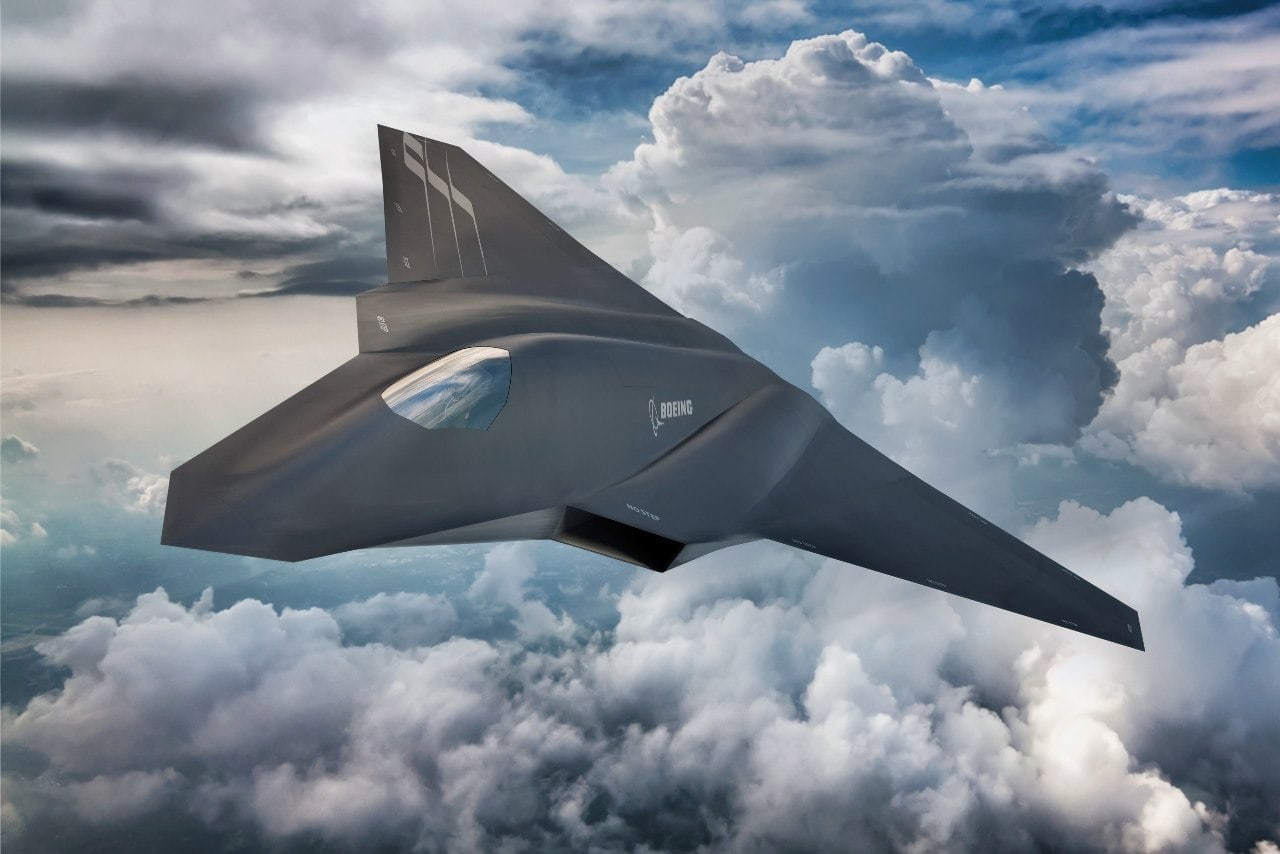
NGAD Fighter from Boeing.
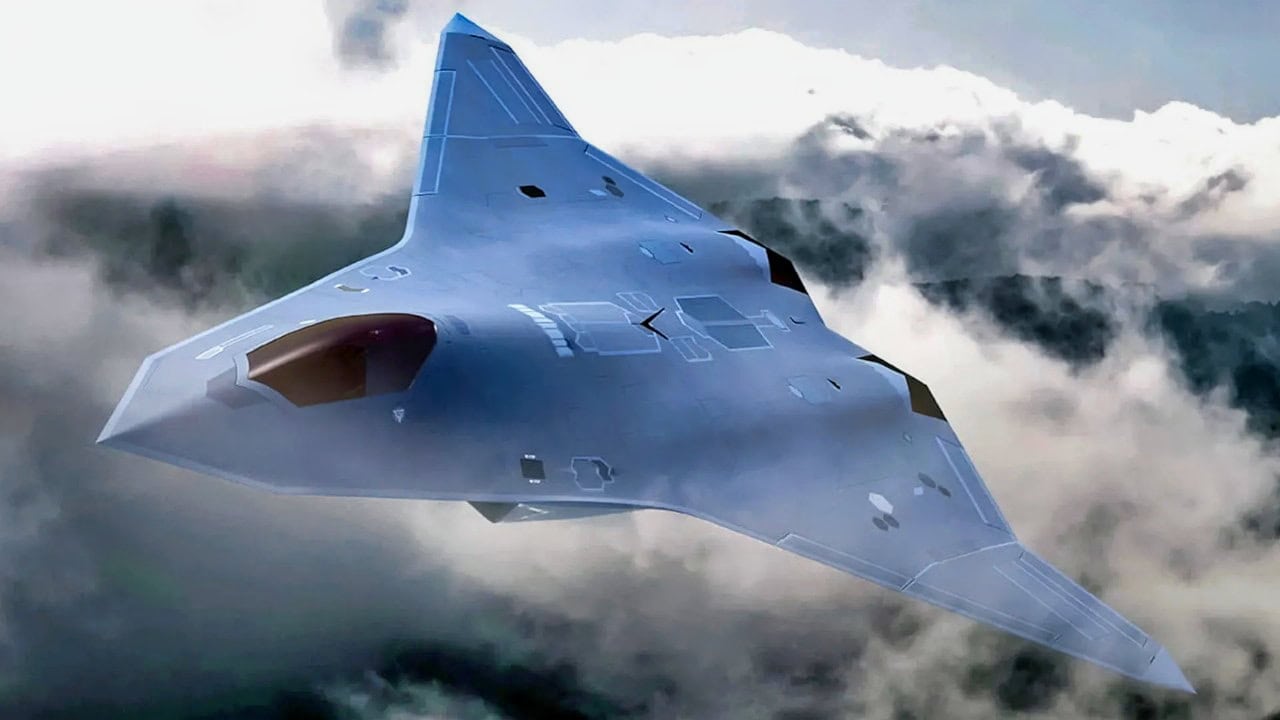
NGAD Fighter. Image Credit: Creative Commons.
This is especially important for adversaries like China and Russia, both of whom possess long-range air defenses. Long-range on a stealth aircraft is especially important, as it enables deep strikes behind enemy lines against strategic targets.
If an F-35 were to perform a deep strike against Russia, for example, it would have to be stationed closer to the front (this is a purely hypothetical scenario and not reflective of actual USAF doctrine), but this puts the aircraft within range of potential missile or drone strikes.
On a side note, this is why a naval version of the NGAD is so essential, especially in the Pacific theater. With Chinese missiles capable of hitting targets at a range of over 5,000 km, aircraft carriers in the Pacific need all the range they can get.
The F-35C only has a combat range of 670 nautical miles, while the F/A-18 Super Hornet has even less, with a range of 492 nautical miles. In a war against China, neither of these is sufficient. A long-range stealth aircraft is needed if the U.S. ever hopes to defend Taiwan’s skies against Chinese fighters and missiles.
The F-47, on the other hand, reportedly has a minimum combat range of 1,000 km, according to official sources.
This is a good start, but against an enemy like China, the more the better.
More Advanced Weaponry
When you boil it down, the primary purpose of modern fighter jets is to carry missiles. Whether they are air-to-air or air-to-ground missiles doesn’t really matter. Fighter jets are missile carriers at the end of the day.
This is not to demean the role of bombs or other weapon systems, but missiles are arguably the most critical armament that a fighter will carry.
This means the F-47 needs to carry the most advanced missiles in the USAF’s arsenal. As an air superiority fighter, the aircraft needs internal storage space for the most advanced BVR missiles today and in the future.
Internal storage has always been a double-edged sword for stealth fighters. While it preserves the aircraft’s stealth profile, it usually comes at the cost of internal storage space and overall carrying capacity.
Avionics on F-47 NGAD Will Matter
In tandem with the most up-to-date weaponry, the F-47 needs the latest and greatest avionics in order to see its targets and gain a clear picture of the battlefield.
The F-35 is nearly perfect in this regard, thanks to its high-performance AESA radar and sensor-fusion technologies. However, as the old mantra goes, there is always room for improvement.
This Fighter Must Rule the Skies
If the U.S. wants to retain its technological edge over China, it must include the best technology built in America.
According to published sources, the F-47 will be able to command unmanned systems and work with Anduril’s YFQ-42A and General Atomics’ YFQ-44A.
The aircraft is also expected to integrate AI systems to reduce pilot workload.
About the Author: Isaac Seitz
Isaac Seitz, a Defense Columnist, graduated from Patrick Henry College’s Strategic Intelligence and National Security program. He has also studied Russian at Middlebury Language Schools and has worked as an intelligence Analyst in the private sector.