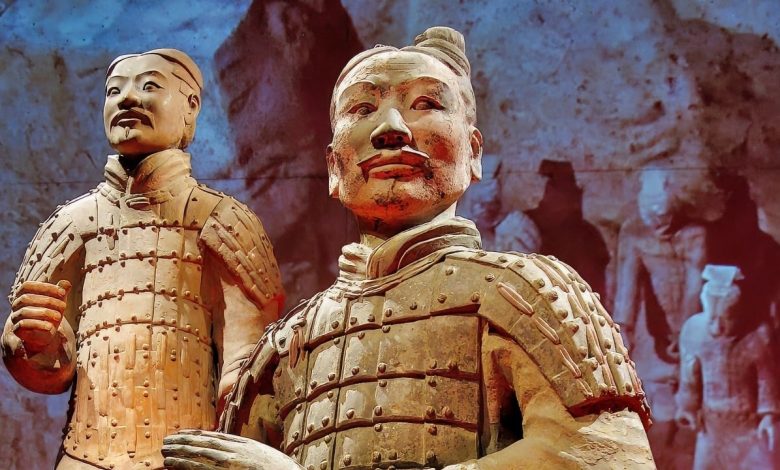
Army Quote of the Day by Sun Tzu: ‘Do not swallow bait offered by the enemy. Do not interfere with an army that is…’

Synopsis: Sun Tzu, the mysterious author of The Art of War, remains a titan of military strategy 2,500 years later.
-Born Sun Wu, this aristocratic mercenary proved his genius to the King of Wu by ruthlessly executing two royal concubines during a drill to ensure obedience.
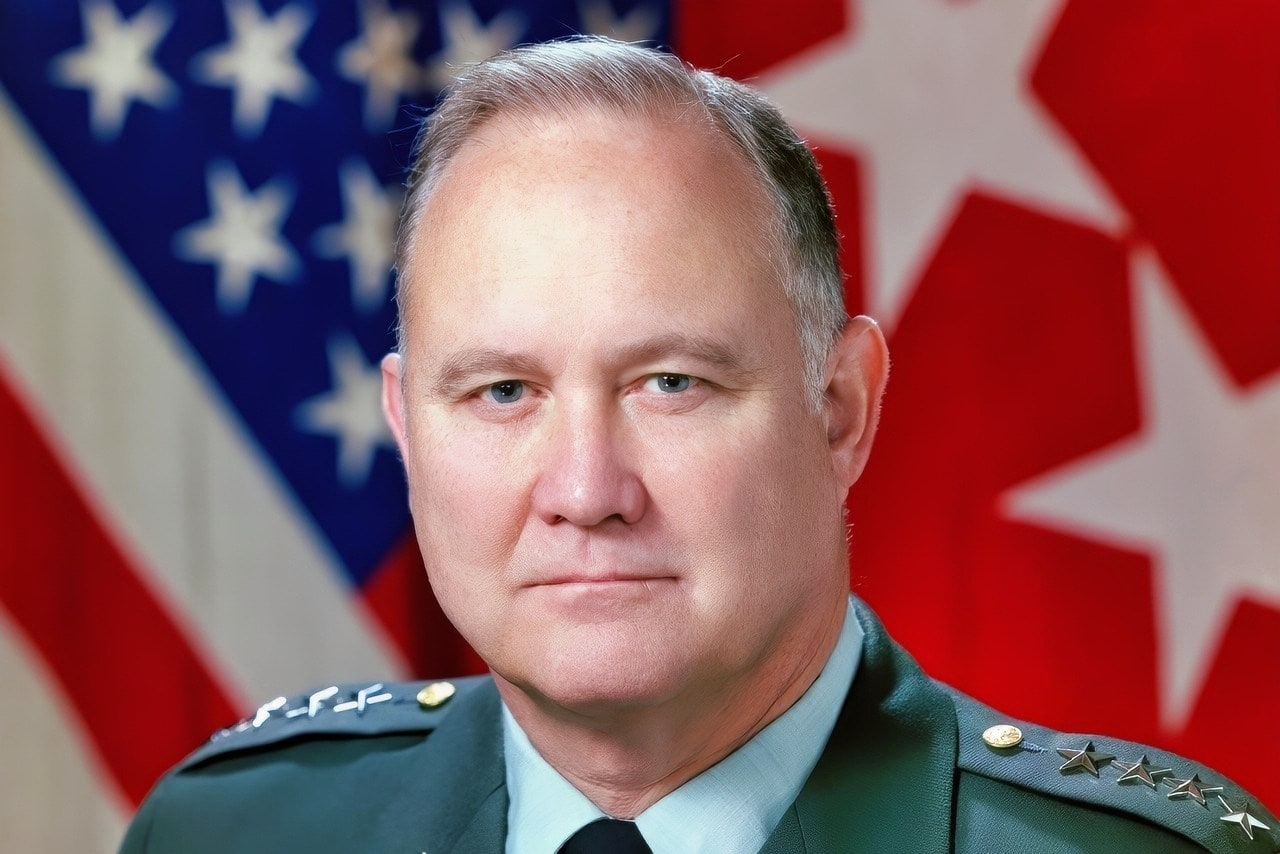
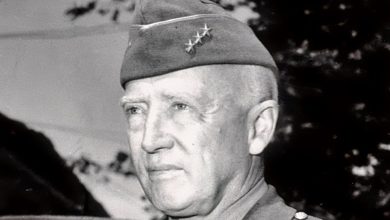
Army General Norman Schwarzkopf.
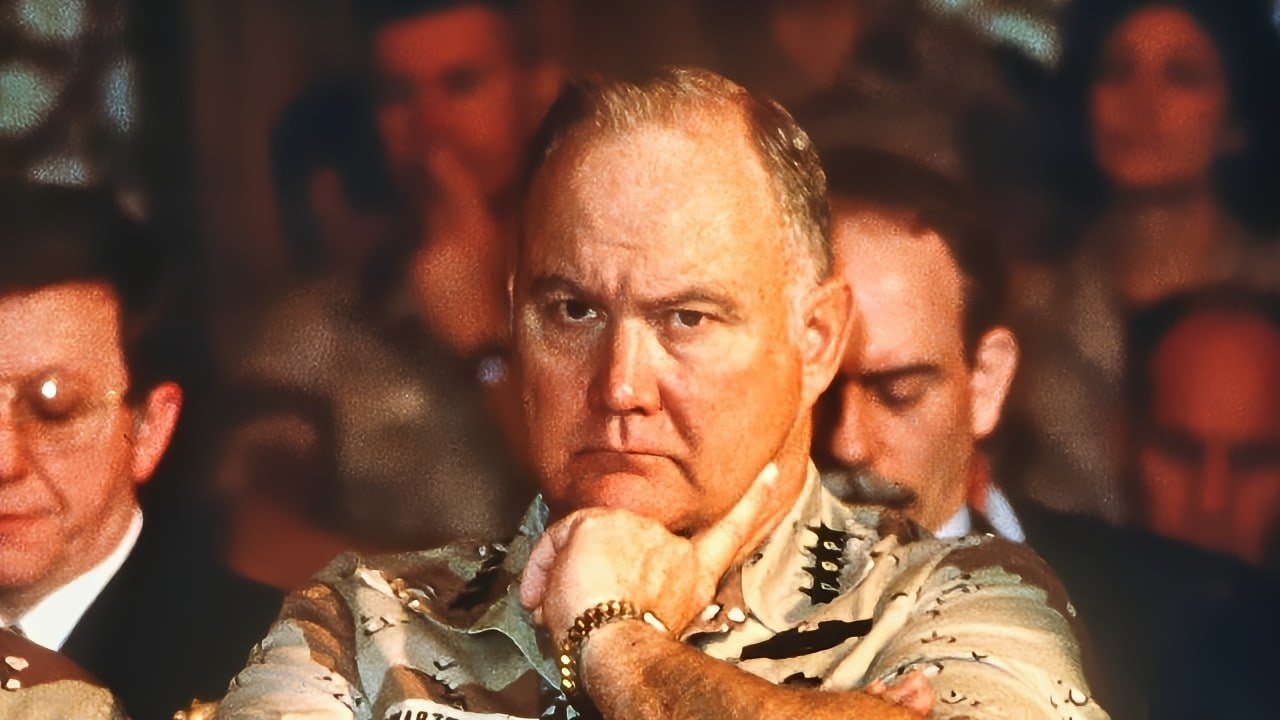
Paul D. Wolfowitz, under secretary of defense for policy, right, takes notes while Gen. Colin Powell, chairman, Joint Chiefs of Staff, and Gen. Norman Schwarzkopf, commander-in-chief, U.S. Central Command, listen to Secretary of Defense Richard Cheney answer questions from the media. The men are taking part in a press conference held by U.S. and Saudi Arabian officials during Operation Desert Storm.
-His ancient maxims on deception and restraint famously guided U.S. strategy during Operation Desert Storm, from General Schwarzkopf’s legendary “Left Hook” to the controversial bombing of retreating Iraqi forces on the “Highway of Death.”
Sun Tzu’s Quote of the Day and the Art of War Today
“Do not swallow bait offered by the enemy. Do not interfere with an army that is returning home.” – Sun Tzu
That quote comes from Chapter 7 of Sun Tzu’s “The Art of War,” one of the most influential (if not *THE* most influential) military strategy books ever written.
The lessons of “The Art of War” are still being taught in professional military education (PME) courses two-and-a-half millennia after it was written. But what do we actually know about Sun Tzu himself, the person who penned this oh-so-influential work?
Early Life of Sun Tzu
Well, we know very little about him.
We do know—courtesy of the Shiji (“Records of the Grand Historian”) written by Sima Qian circa 97 BC—that he was originally born Sun Wu, the son of an aristocrat, circa 544 BC (during the Eastern Zhou dynasty) in either the Qi or Wu regional state of ancient China.
Outside of his family, he was known by his courtesy name was Changqing. “Sun Tzu,” which means “Master Sun,” was conferred later as an honorific.
Military Career
Early on, young Sun Wu had an interest in battle, and soon enough he indulged that interest by becoming a mercenary soldier.
He soon established a reputation as an effective troop leader, which caught the attention of King of Wu, who invited the ambitious warrior to his palace and tested him by ordering him to train 180 of his concubines as soldiers.
Undaunted, Sun Tzu divided the concubines into two groups and assigned one woman from each group as a section leader. As noted by his Ducksters mini-bio, “He then gave them a command. The women just giggled. Sun Tzu had the two leaders executed. He then assigned two more women as leaders. The next time he gave the command, the women obeyed flawlessly.” (The power of negative motivation, eh.)
As his hands-on battlefield experience grew, Sun Tzu expanded his thinking on warfare from the tactical to the operational and strategic levels (which eventually led to his magnum opus).
He didn’t merely formulate his theories in a vacuum like a chateau general, but rather battle-tested them on behalf of his king during the state of Wu’s war against the powerful Chu state. Sun Tzu’s multiple victories culminated in the capture of the Chu capital, Ying, during the Battle of Boju in 506 BC.
Sun Tzu died of unknown causes in Gusu (present day Suzhou) circa 496 BC at age 47 or 48.
Sun Tzu’s Lessons Learned: Operation Desert Storm
Going back to the specific quote at the beginning of the article, it was embodied the 1991 Persian Gulf War AKA Operation Desert Storm, the American-led multinational coalition to evict then-Iraqi dictator Saddam Hussein’s military forces that were occupying the tiny oil-rich Gulf Arab state of Kuwait.
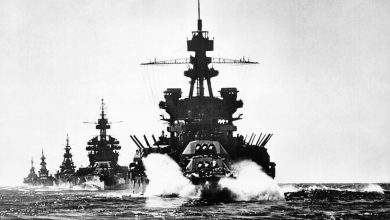
Saddam and his generals failed to follow the “Do not swallow bait” bit, as they totally fell for the ruse that the Coalition Forces would launch an amphibious assault (in fairness, the shore bombardments from the massive 16-inch guns of the Iowa-class battleships USS Missouri (BB-63) and USS Wisconsin (BB-64) certainly helped propagate the ruse).
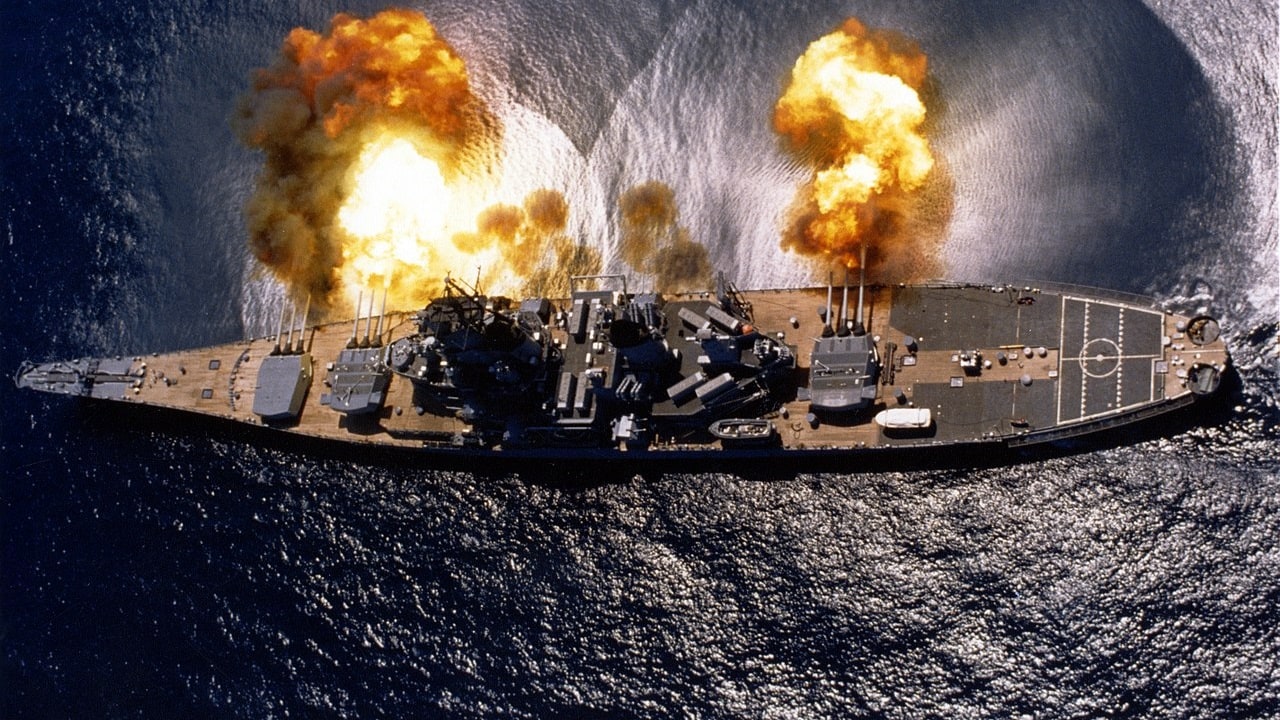
Iowa-Class Battleship
Instead, US Army GEN Schwarzkopf, the military mastermind of the war effort, executed the legendary “Left Hook” maneuver that totally took Saddam’s forces by surprise and ended the ground campaign phase in just four days.
Meanwhile, then-US President George Herbert Walker Bush, an his position as civilian commander-in-chief of the American component of the coalition, did not take Saddam’s bait when the Iraqi dictator launched Scud missiles into Israel in an attempt to draw the Jewish State into the war and thus fracture the sizable Arab segment of the Coalition (which consisted of Egypt, Saudi Arabia, Qatar, Bahrain, Morocco, Oman, the United Arab Emirates [UAE], Free Kuwaiti Forces…and yes, even Hafez al-Assad’s Syria).
Instead, President Bush managed to convince the Israeli government not to retaliate militarily—no easy task given Israel’s long history of unliterally defending itself against Arab adversaries (from the 1948 War of Independence to the 1967 Six-Day War to the 1973 Yom Kippur War)—by taking the unprecedented trip of sending US troops to into Israel to defend that country with Patriot missile batteries. (My best friend from middle school was living in Tel Aviv during the Scud attacks, and though he previously wasn’t a fan of Mr. Bush, Ronnie conveyed his newfound appreciation to me in a letter with the words “Viva La Patriot!” along with an Israeli newspaper clipping with a photo of an American soldier playfully arm-wrestling an Israeli one).
As for “Do not interfere with an army that is returning home,” that was at least partially applied at the so-called “Highway of Death.” Some of the most dramatic scenes from the Gulf War were the eponymous highway—officially designated Highway 80—a six-lane road running from Kuwait City to the Iraqi city of Basra via the border town of Safwan.
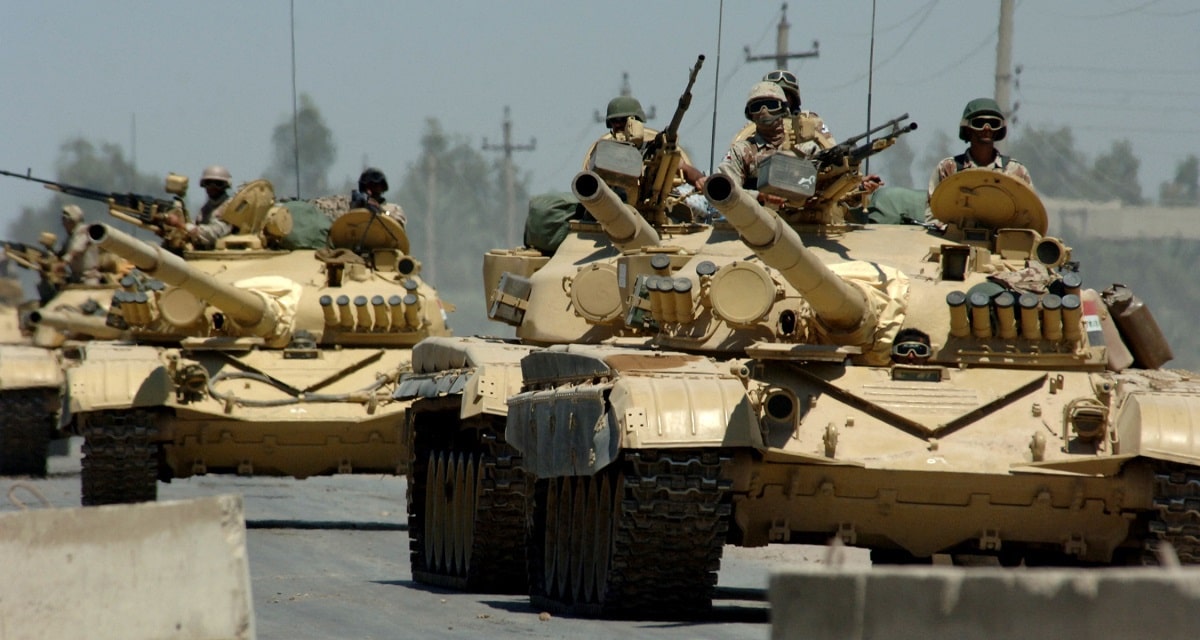
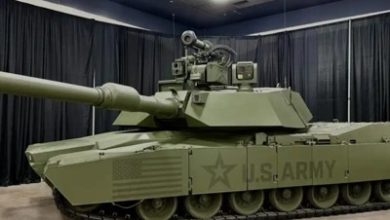
Iraqi Army T-72M main battle tanks. The T-72M tank was a common Iraqi battle tank used in the Gulf War.
During the waning days of the war, Iraqi forces used the highway to retreat to their own country, partially in their own tanks and trucks, but also with a substantial number of stolen Kuwaiti civilian vehicles. US aircraft bombed the Iraqi vehicle convoy, destroying an estimated 2,700 vehicles in all.
For a while, it was assumed that those 2,700 bombed-out vehicles also resulted in massive Iraqi troop deaths.
However, as noted by David D. Perlmutter in a January 27, 2005 essay for the Foreign Policy Research Institute, “’ The television coverage,’ [GEN Colin] Powell wrote, ‘was starting to make it look as if we were engaged in slaughter for slaughter’s sake.’ It is hard to imagine such a rationale besetting Generals Washington, Sherman, or Patton, who waged war before the CNN. Today, a policy that does not “look good” may be unsustainable…In the case of the ‘Highway of Death,’ appearances were deceiving. Postwar studies found that most of the wrecks on the Basra roadway had been abandoned by Iraqis before being strafed and that actual enemy casualties were low.”
About the Author: Christian D. Orr, Defense Expert
Christian D. Orr is a Senior Defense Editor. He is a former Air Force Security Forces officer, Federal law enforcement officer, and private military contractor (with assignments worked in Iraq, the United Arab Emirates, Kosovo, Japan, Germany, and the Pentagon). Chris holds a B.A. in International Relations from the University of Southern California (USC) and an M.A. in Intelligence Studies (concentration in Terrorism Studies) from American Military University (AMU). He is also the author of the newly published book “Five Decades of a Fabulous Firearm: Celebrating the 50th Anniversary of the Beretta 92 Pistol Series.”