
The blockchain industry is transforming how assets are owned, managed, and transferred across global markets. Among the most significant innovations driving this transformation is real world asset tokenization — a process that converts physical or traditional financial assets into blockchain-based digital tokens.
From real estate and commodities to bonds, invoices, and fine art, businesses are increasingly exploring rwa tokenization to improve liquidity, transparency, and operational efficiency.
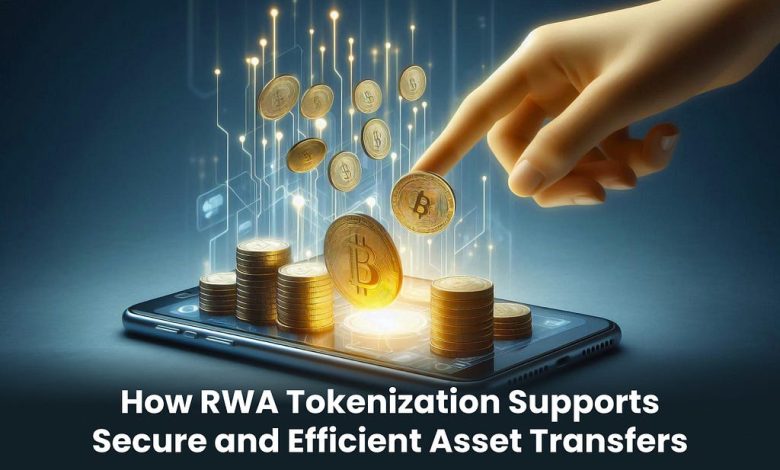
One of the biggest advantages of tokenized ecosystems is the ability to support secure and efficient asset transfers. Traditional asset transfer systems often involve lengthy paperwork, multiple intermediaries, high fees, settlement delays, and limited transparency. Blockchain-powered tokenization addresses many of these challenges by creating decentralized, programmable, and transparent ownership systems.
In this blog, we’ll explore how tokenizing real world assets improves asset transfer efficiency, enhances security, and reshapes the future of global ownership systems.
What Is RWA Tokenization?
Real World Asset (RWA) Tokenization is the process of converting ownership rights of physical or traditional assets into blockchain-based digital tokens.
These tokens represent a fractional or full ownership stake in an asset.
Examples of tokenized assets include:
- Real estate
- Gold and commodities
- Bonds and securities
- Artwork and collectibles
- Intellectual property
- Luxury assets
- Revenue-generating assets
Using blockchain infrastructure, these assets can be transferred digitally while maintaining secure ownership records and transparent transaction history.
Today, many enterprises are partnering with a specialized tokenization Company to build secure tokenized ecosystems for asset management and investment operations.
Why Traditional Asset Transfers Face Challenges
Traditional asset transfer systems often involve several inefficiencies, including:
Multiple Intermediaries
Banks, brokers, legal firms, custodians, and clearinghouses typically participate in asset transfers.
This increases:
- Operational complexity
- Transaction costs
- Processing delays
Slow Settlement Times
Cross-border asset transfers can take days or even weeks due to:
- Verification processes
- Banking systems
- Compliance checks
- Manual approvals
Limited Transparency
Ownership history and transaction records are often fragmented across multiple systems.
This creates:
- Fraud risks
- Documentation disputes
- Limited auditability
High Transaction Costs
Administrative fees, legal charges, and intermediary commissions significantly increase the cost of transferring assets.
Restricted Liquidity
Traditional assets such as real estate are difficult to divide and trade efficiently.
This limits market accessibility and investment flexibility.
How RWA Tokenization Improves Asset Transfers
1. Blockchain-Based Ownership Verification
One of the biggest benefits of real world asset tokenization is transparent ownership management.
Blockchain creates immutable records that permanently store:
- Ownership data
- Transaction history
- Asset provenance
- Smart contract execution logs
This improves trust and significantly reduces fraud risks.
Unlike traditional systems, blockchain records cannot be easily altered or manipulated.
For asset transfers, this means:
- Faster verification
- Reduced disputes
- Improved security
- Better auditability
2. Faster Settlement Processes
Traditional financial systems often rely on multiple layers of approvals and intermediaries.
In contrast, blockchain enables near real-time settlements.
Through smart contracts, tokenized asset transfers can execute automatically once predefined conditions are met.
Benefits include:
- Reduced settlement delays
- Automated transaction execution
- Lower operational overhead
- Faster cross-border transfers
This efficiency is one of the major reasons enterprises are investing heavily in rwa tokenization infrastructure.
3. Enhanced Security Through Smart Contracts
Smart contracts automate asset transfer rules securely on blockchain networks.
These programmable contracts can:
- Verify ownership
- Validate compliance conditions
- Execute payments
- Trigger token transfers
- Record transaction history automatically
Because smart contracts operate on decentralized blockchain networks, they minimize risks associated with:
- Human error
- Data tampering
- Unauthorized access
- Manual processing failures
Professional tokenization services often include smart contract development and auditing to ensure maximum security and compliance.
4. Fractional Ownership and Flexible Transfers
One of the most revolutionary aspects of tokenizing real world assets is fractional ownership.
Instead of transferring entire high-value assets, blockchain enables ownership to be divided into smaller digital shares.
For example:
- A commercial property worth $10 million can be divided into thousands of tradable tokens.
- Investors can buy or transfer fractional ownership instantly.
This creates:
- Improved liquidity
- Broader investor participation
- Flexible trading opportunities
- Reduced entry barriers
Fractional ownership is especially transforming real estate and alternative investment markets.
5. Improved Transparency and Auditability
Every tokenized transaction is recorded on-chain.
This creates a transparent audit trail that can be accessed and verified by authorized participants.
Transparency benefits include:
- Real-time ownership tracking
- Easier compliance reporting
- Reduced fraud
- Better investor trust
- Simplified audits
For enterprises handling regulated assets, transparency is essential for maintaining compliance and operational integrity.
6. Reduced Dependence on Intermediaries
Traditional asset transfers often depend on centralized authorities and third-party institutions.
Blockchain-based transfer systems reduce this dependency through decentralization.
Benefits include:
- Lower transaction fees
- Faster execution
- Reduced administrative costs
- Simplified operational workflows
This makes tokenized ecosystems more scalable and cost-efficient.
Many businesses now work with a professional Token Development Company to eliminate outdated transfer inefficiencies through decentralized asset infrastructure.
The Role of Smart Contracts in Secure Transfers
Smart contracts are the backbone of secure RWA ecosystems.
These self-executing blockchain programs automate transfer logic and ownership validation.
For example, a smart contract can:
- Verify the buyer’s eligibility
- Confirm payment settlement
- Execute token transfer
- Update blockchain ownership records
- Trigger compliance notifications
This automated execution reduces the need for manual processing and significantly improves operational security.
In real world asset tokenization, smart contracts also help enforce:
- Regulatory restrictions
- Transfer permissions
- Investor qualification rules
- Revenue-sharing mechanism
How Tokenomics Supports Efficient Asset Transfers
Tokenomics plays a critical role in maintaining healthy tokenized ecosystems.
Well-designed token models improve:
- Liquidity
- Transfer incentives
- Governance participation
- Marketplace activity
This is where Tokenomics Advisory Services become valuable.
Tokenomics advisors help optimize:
- Supply structures
- Transfer mechanisms
- Utility models
- Reward systems
- Governance frameworks
Strong tokenomics ensure that asset transfer ecosystems remain stable, scalable, and attractive to investors.
Industries Benefiting from RWA Tokenization
Real Estate
Tokenized real estate enables:
- Fractional ownership
- Faster property transfers
- Global investor participation
- Improved liquidity
Commodities
Gold, oil, and other commodities can be tokenized for:
- Faster settlement
- Transparent ownership
- Simplified trading
Private Equity and Securities
Blockchain-based securities improve:
- Investor accessibility
- Settlement efficiency
- Compliance automation
Art and Collectibles
High-value collectibles can be fractionally owned and securely transferred through blockchain-based marketplaces.
Supply Chain Assets
Tokenization helps businesses track and transfer:
- Inventory ownership
- Logistics assets
- Trade finance documentation
Security Considerations in RWA Tokenization
While blockchain improves security, projects still require strong infrastructure and governance frameworks.
Key security considerations include:
- Smart contract audits
- Regulatory compliance
- Identity verification
- Custody management
- Multi-signature security
- Treasury governance
Working with an experienced tokenization Company helps businesses minimize operational risks and build enterprise-grade security systems.
Future of Asset Transfers Through Tokenization
The future of global asset management is becoming increasingly digital.
As blockchain adoption grows, tokenized ecosystems are expected to:
- Improve global investment accessibility
- Increase market liquidity
- Reduce settlement friction
- Enable programmable ownership
- Expand decentralized finance integration
The growth of rwa tokenization is likely to reshape industries ranging from finance and real estate to commodities and global trade.
Governments, enterprises, and institutional investors are already exploring tokenized asset infrastructure as part of long-term digital transformation strategies.
Conclusion
Traditional asset transfer systems are often slow, expensive, and operationally complex.
Blockchain-powered real world asset tokenization offers a more secure, transparent, and efficient alternative by enabling programmable ownership, automated settlements, and decentralized transfer mechanisms.
Through smart contracts, blockchain transparency, and fractional ownership models, tokenizing real world assets is transforming how assets are bought, sold, and transferred globally.
As adoption grows, businesses that invest in scalable tokenized infrastructure will gain a significant advantage in the evolving digital economy.
With Codezeros, you can explore advanced blockchain and asset tokenization solutions to build secure, transparent, and future-ready digital asset ecosystems designed for global scalability.
Whether you’re building a real estate marketplace, tokenized investment platform, or decentralized asset ecosystem, secure transfer infrastructure will be one of the key pillars of long-term success.
Build Secure RWA Tokenization Solutions with Blockchain Experts
If you’re planning to launch a blockchain-powered asset platform or explore scalable infrastructure for rwa tokenization, choosing the right development partner is critical.
Explore advanced blockchain and asset tokenization solutions with Codezeros and build secure, transparent, and future-ready digital asset ecosystems tailored for global scalability.
How RWA Tokenization Supports Secure and Efficient Asset Transfers was originally published in Python in Plain English on Medium, where people are continuing the conversation by highlighting and responding to this story.